





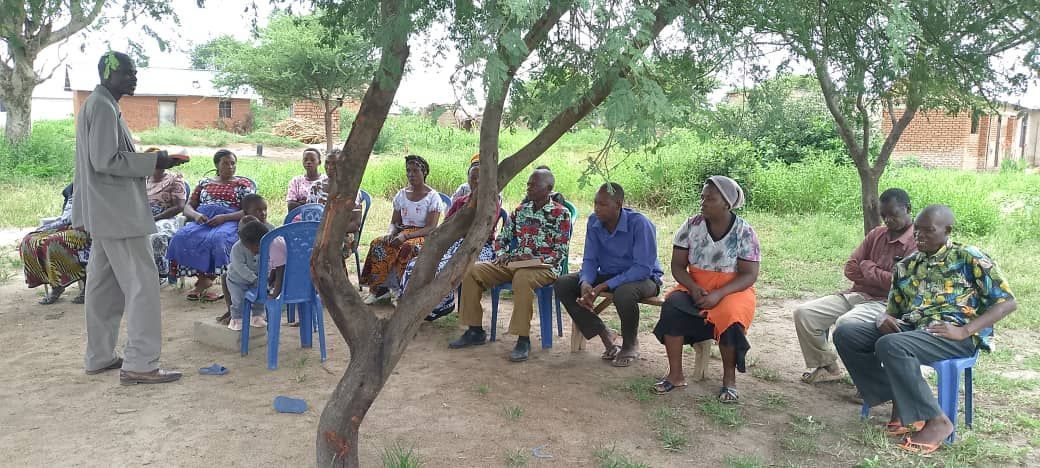




Making Room: Why Meeting God in Scripture Requires Space, Not Speed
This series is written by Michael Ryer and sponsored by Amigos Internacionales

Many people come to the Bible with sincere intentions and crowded hearts.
They want guidance. They want clarity. They want reassurance that God is present and leading. Yet they often leave Scripture feeling unchanged—not because God was silent, but because there was never enough room to truly listen.
For many believers, the challenge is not motivation. It is margin.
We live in a culture that rewards speed, efficiency, and constant engagement. That mindset quietly follows us into our spiritual lives. We read Scripture the way we read emails or news headlines—quickly, purposefully, and with an unspoken expectation that it should deliver something useful and move us on to the next thing. When it doesn’t, frustration sets in.
But Scripture was never meant to compete with our pace. It invites us to change it.
Meeting God in His Word begins not with better tools or stronger discipline, but with space—space to be present, to listen, and to allow God to speak without being rushed.
The Cost of Crowded Hearts
Many of us approach the Bible with good intentions but divided attention. Our minds are already full when we open it. We are thinking about decisions that need to be made, conversations we’re replaying, responsibilities waiting on us, and concerns we carry quietly but constantly.
In those moments, Scripture becomes something we squeeze in rather than a place we enter.
We may read the words, but our attention is elsewhere. We may finish the passage, but nothing settles. Over time, this creates a subtle discouragement. People begin to assume the problem lies with them—that they lack spiritual maturity, focus, or insight. In reality, the deeper issue is that Scripture is being approached without the space it requires to do its work.
The Bible does not demand urgency. It invites attentiveness.
This is why many faithful readers still struggle to experience Scripture as formative. They have learned how to read the Bible, but not how to be present with it.


Making Room Is an Act of Faith
There is a line from a worship song that captures this posture simply and honestly: “I will make room for You, to do whatever You want to.” It is not a prayer for answers or clarity. It is an offering of availability.
Making room is not passive. It is an intentional decision to slow down and place ourselves where God can speak. It requires us to resist the urge to rush, to produce, or to immediately understand. It asks us to trust that God is already at work and does not need our efficiency to accomplish His purposes.
When we open Scripture with this posture, we are not demanding results. We are creating space for encounter.
This kind of attentiveness often feels uncomfortable at first. Silence can be unsettling. Slowing down can feel unproductive. When immediate insight does not come, we are tempted to move on or fill the space with our own conclusions. But these moments are not wasted. They are formative.
Making room allows Scripture to move from something we consume to a place we return to.
Presence Over Performance
Jesus once highlighted this distinction in a familiar moment. In a home filled with activity and responsibility, one person chose attentiveness while another remained preoccupied with performance. Mary was not praised for productivity, but for presence. She made room.
That moment was not a rejection of service or responsibility. It was a reminder that attentiveness to God must come before activity for Him. Without presence, even good intentions can become anxious striving.
The same is true when we approach Scripture. When Bible reading becomes another task to complete, it loses its relational center. We may grow more informed, but not necessarily more attentive. Over time, this disconnect leads to fatigue rather than formation.
Meeting God in His Word requires us to value presence over performance. It invites us to sit with the text long enough for it to address us, not just inform us.


Slowing Down Enough to Listen
Listening is not the same as reading.
Reading can be quick and transactional. Listening requires openness and patience. It means allowing Scripture to linger without forcing immediate application or resolution. It means being willing to sit with questions rather than rushing toward answers.
This kind of listening often reveals more about us than about the text. Scripture has a way of exposing our assumptions, fears, and desires when we slow down long enough to notice them. It confronts us at times, reassures us at others, and often does both at once.
When we make room, Scripture becomes a place of honesty. We are no longer performing spirituality. We are allowing God to meet us where we are.
This is why silence and margin matter so deeply in Bible reading. They create the conditions where listening can happen. They remind us that transformation is rarely loud or immediate. It unfolds quietly, over time, as we return again and again with openness rather
than urgency.


Making Room Is Where Formation Begins
Spiritual formation does not begin with mastery of Scripture. It begins with availability to God.
Many people assume they need greater understanding before Scripture can shape them. In reality, Scripture shapes us as we learn to stay present with it. Over time, attentiveness cultivates discernment. Trust grows. Obedience becomes clearer—not because we have forced clarity, but because we have remained available.
Making room teaches us to recognize God’s voice not through intensity, but through familiarity. As we return consistently, Scripture becomes less about extracting meaning and more about cultivating relationship. We begin to notice patterns of God’s character. We recognize His invitations more readily. We grow more comfortable with trust that does not demand full explanation.
This is how Scripture forms us. Not through pressure, but through presence.
An Invitation to Practice
If Scripture has felt distant, dry, or difficult to engage, the invitation is not to try harder. It is to slow down.
Begin by creating small margins. Read less, not more. Allow silence to follow the text. Resist the urge to rush toward application. Ask simple questions: Where is God at work here? What might He be inviting me to notice or trust?
Making room does not guarantee immediate insight. It creates space for encounter.
Over time, this posture reshapes how we read, how we listen, and how we respond. Scripture becomes less about keeping up and more about staying present. And in that presence, God does His quiet work.
Meeting God in His Word begins here—not with mastery, but with margin; not with performance, but with presence. When we make room consistently, Scripture becomes a place of meeting rather than a task to complete.
And from that place of meeting, everything else begins to grow.

Recent Posts